Activity category: Aquatic litter
Year: 2016
Type: Awareness raising, Scientific research
Status: Ongoing
Target areas: Greece
Target organisms:
Project website:
Partners
Funders
Activity category: Aquatic litter
Year: 2016
Type: Awareness raising, Scientific research
Status: Ongoing
Target areas: Greece
Target organisms:
Project website:
Partners
Funders
Objectives
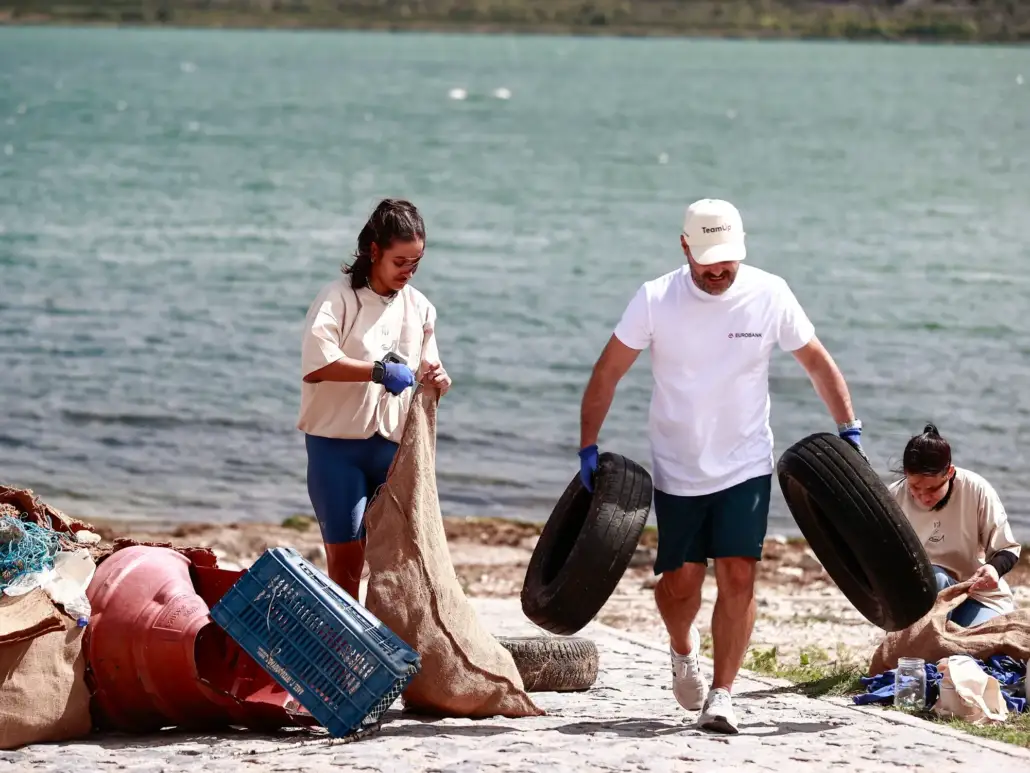
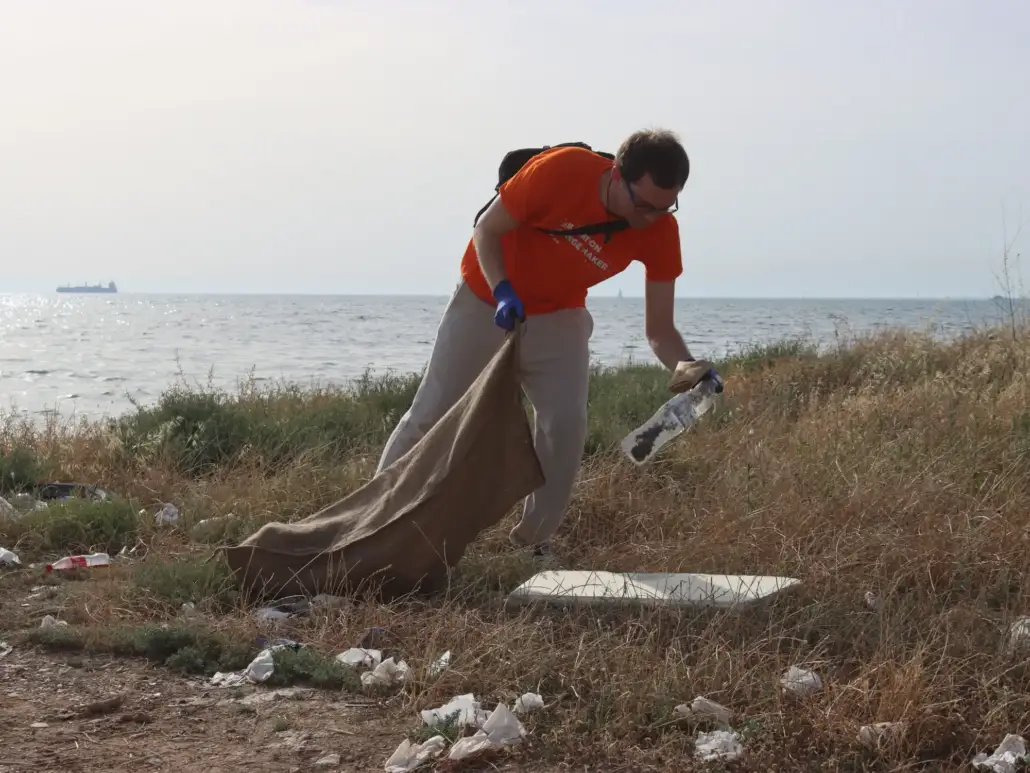
The aim of the project is to remove litter that ends up in coastal and marine ecosystems, to highlight the extent of the marine pollution problem, and to raise public awareness, with particular emphasis on single-use plastics and their reduction. At the same time, the program seeks to strengthen the sense of environmental responsibility among citizens of all ages and to promote volunteerism, encouraging collective action and active participation in the protection of coastal areas. Another key objective is the systematic collection and recording of marine litter data in accordance with the scientific protocol of the Marine Strategy Framework Directive (MSFD), in order to enhance scientific knowledge and support future interventions.
Description
Beaches are vital spaces of human activity, hosting both recreational activities such as swimming and water sports, as well as professional activities including tourism and fisheries. However, they are also among the main recipients of large quantities of litter, resulting in serious ecological, economic, and aesthetic impacts on coastal areas. The waste that ends up on shores not only affects their appearance, but also degrades local economies, burdens marine ecosystems, and poses risks to wildlife and human health. It is estimated that more than 730 tonnes of litter enter the Mediterranean every day, while over 60% of the waste found on Greek coasts consists of single-use plastics.
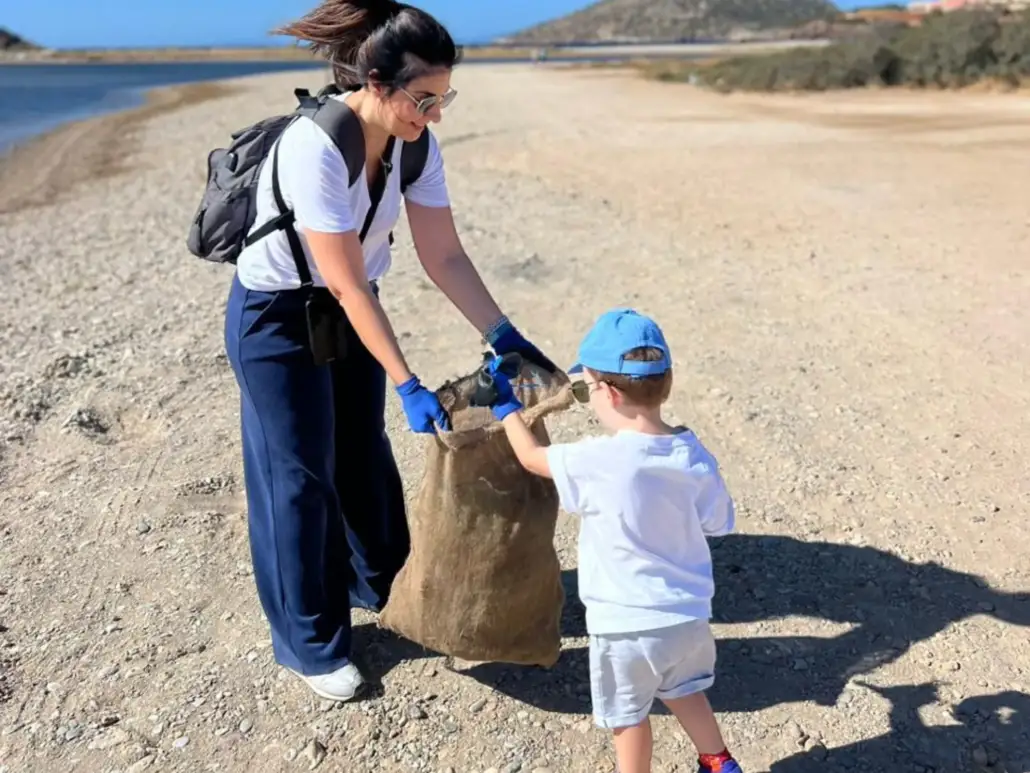
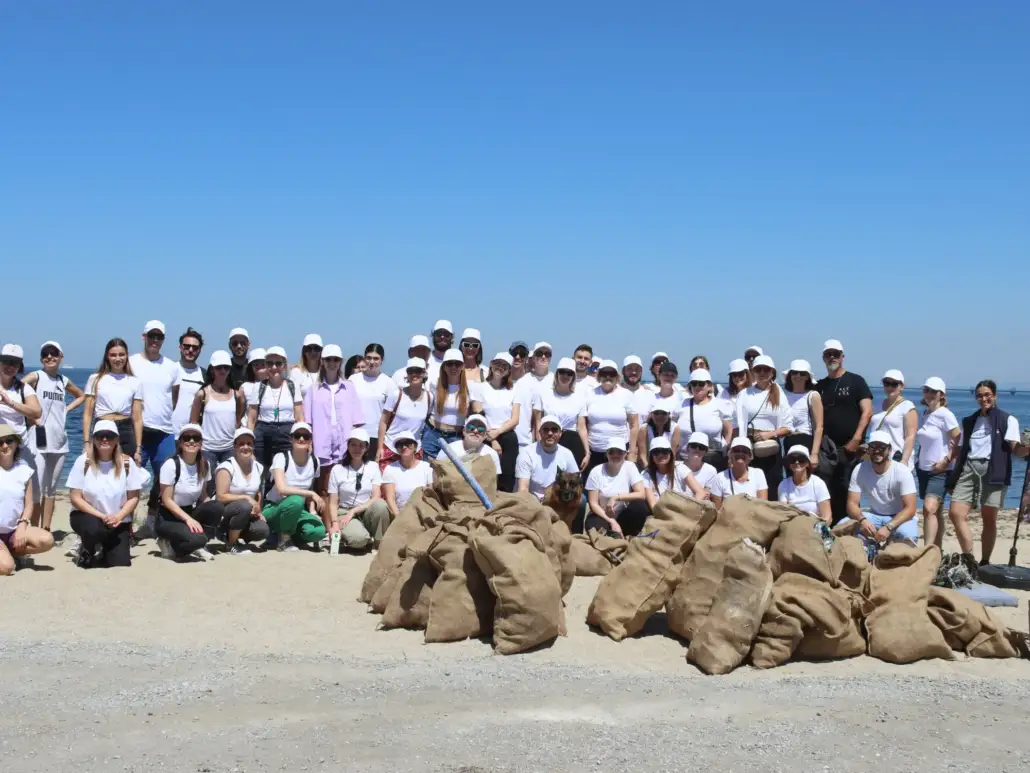
The iSea program “Home sweet…beach, keep it clean!” was launched in May 2016 with the aim of making a meaningful contribution to addressing this issue. Through volunteer clean-up and awareness-raising actions, it mobilizes students, recreational fishers, businesses, municipal authorities, and citizens, strengthening cooperation and participatory engagement. Since 2017, the program has been evolving towards a Zero Waste cleanup model, replacing single-use materials with reusable alternatives, such as plant-based bags and work gloves, actively promoting sustainable best practices.
Results
Output
Reports
Literature
Team