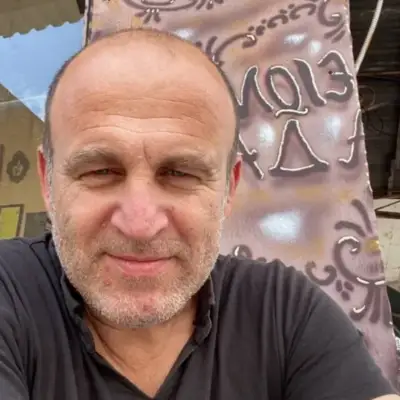
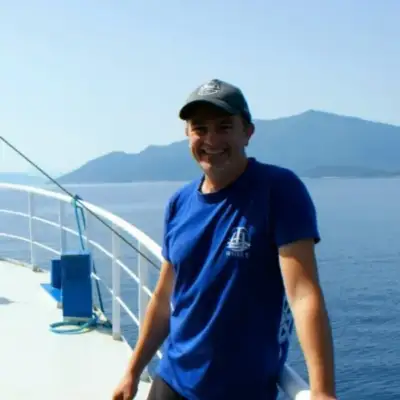
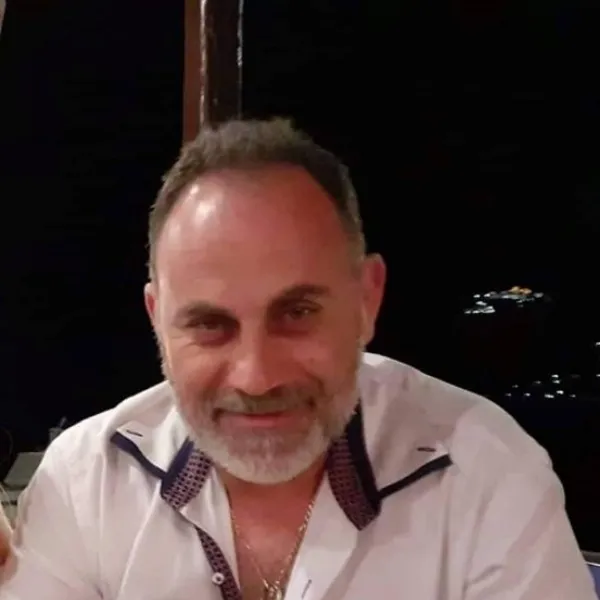
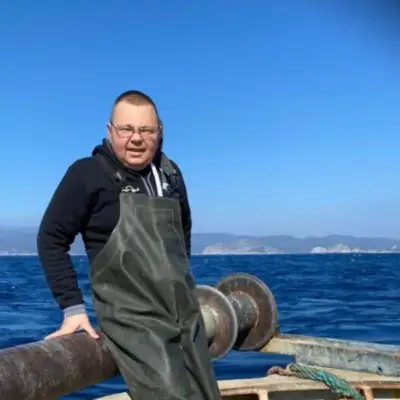
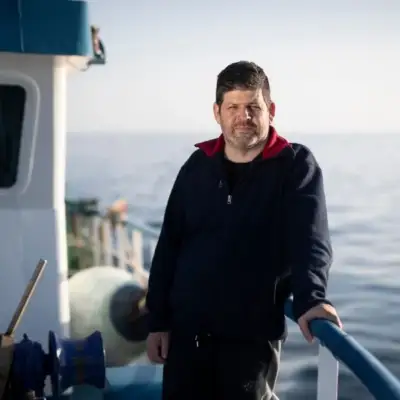
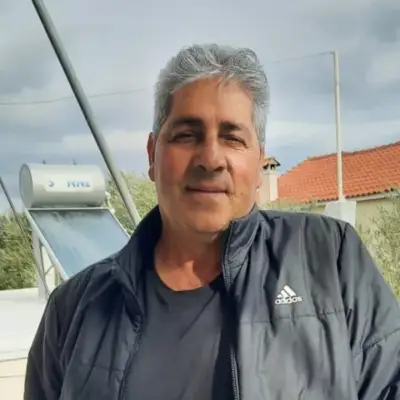
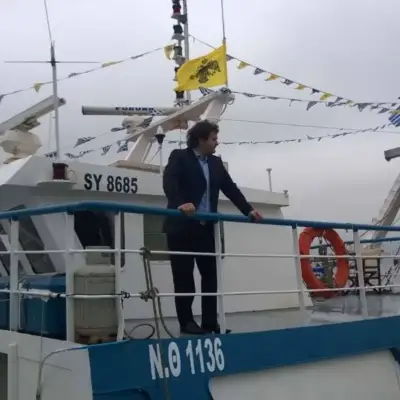
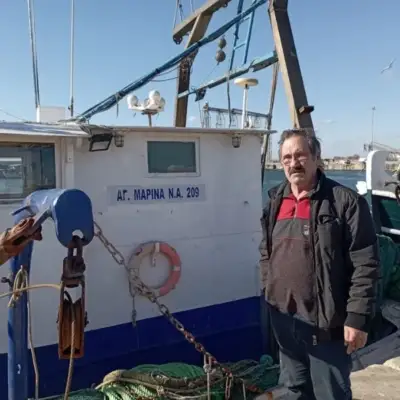
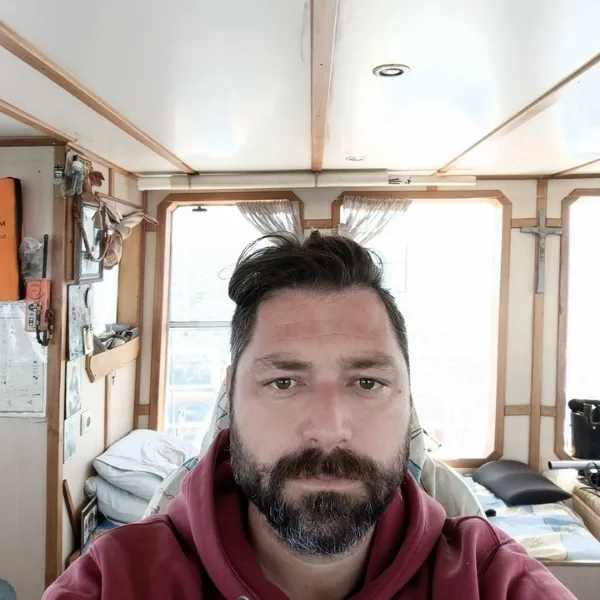
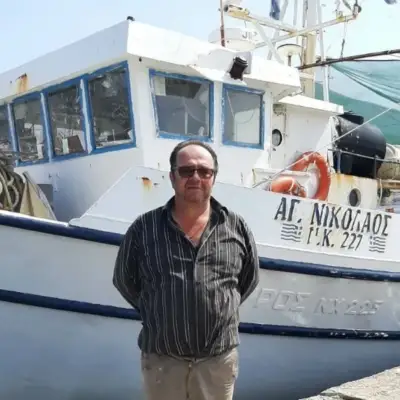
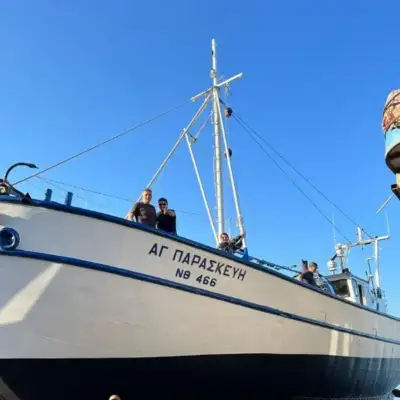
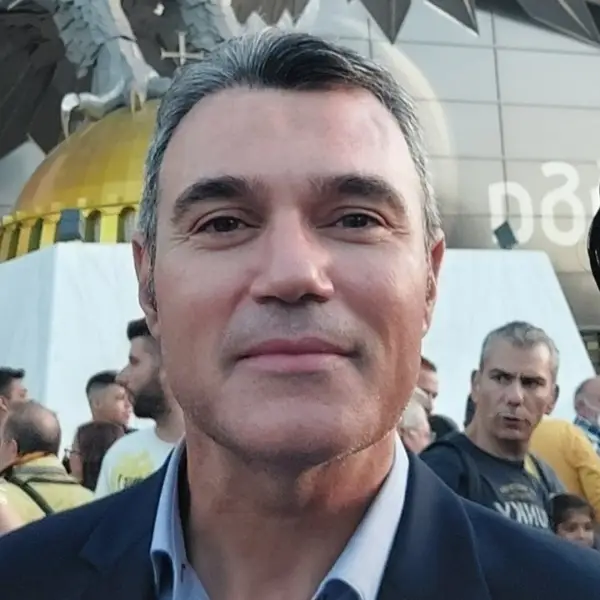
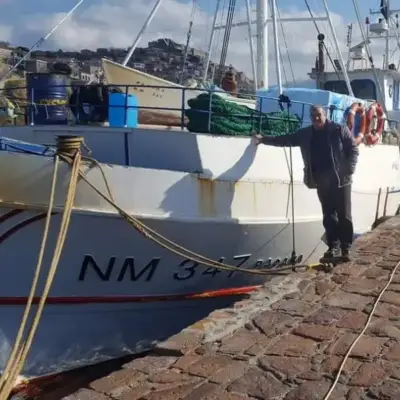
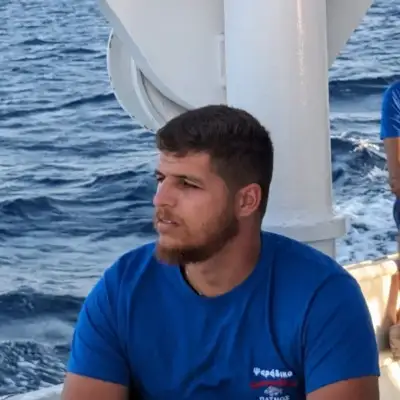
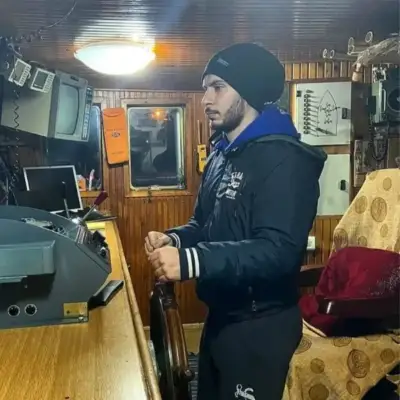
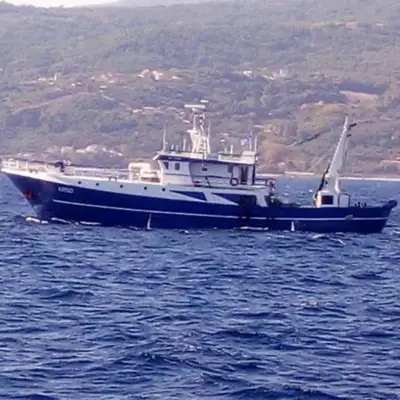
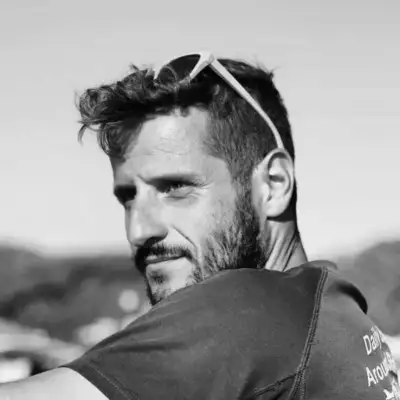
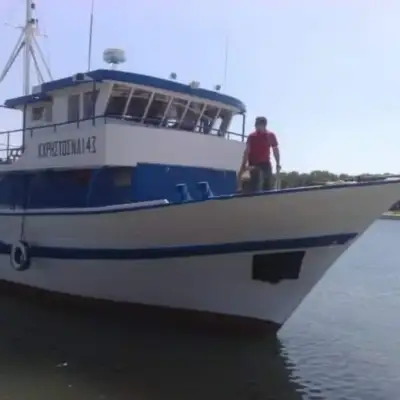
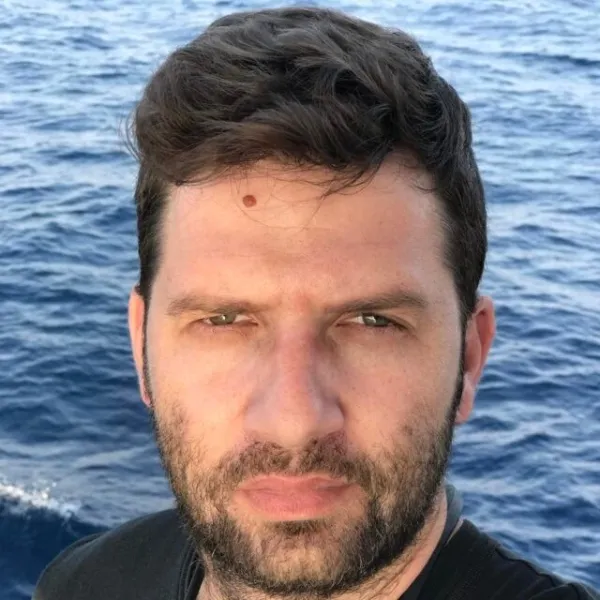
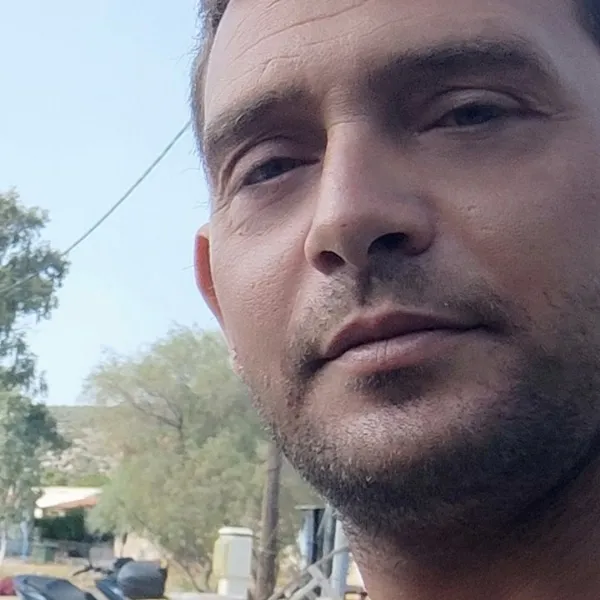
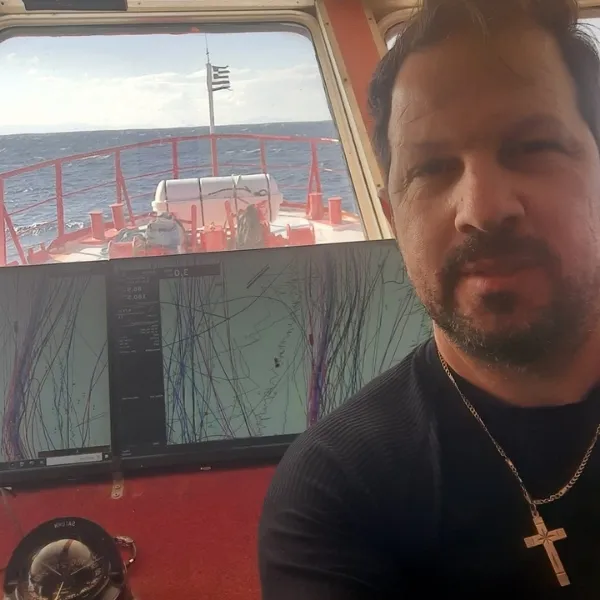
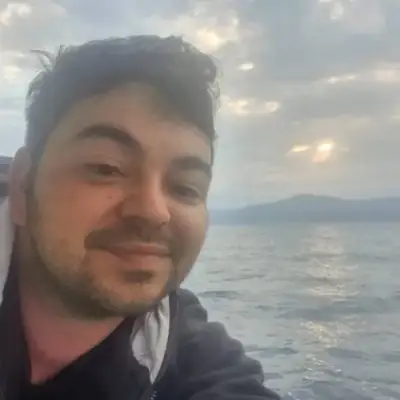
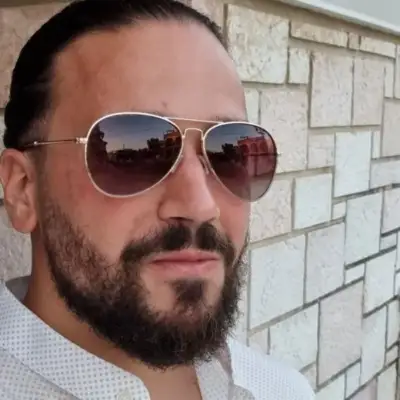
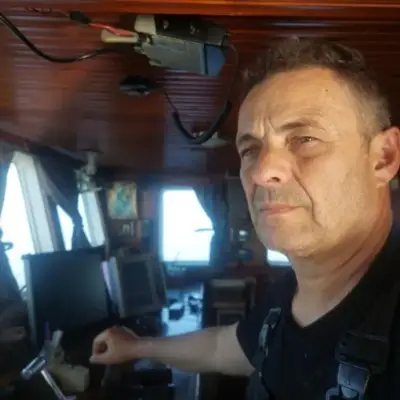
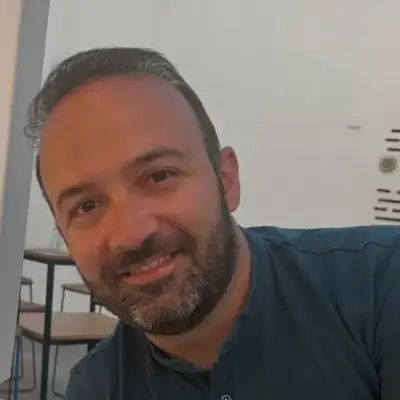
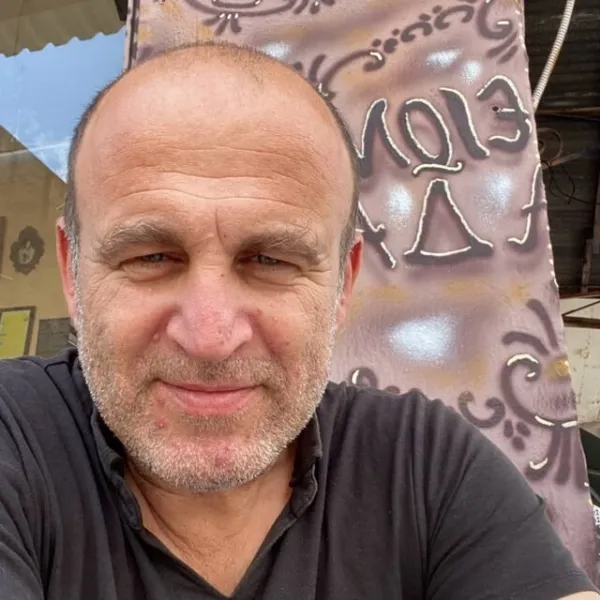
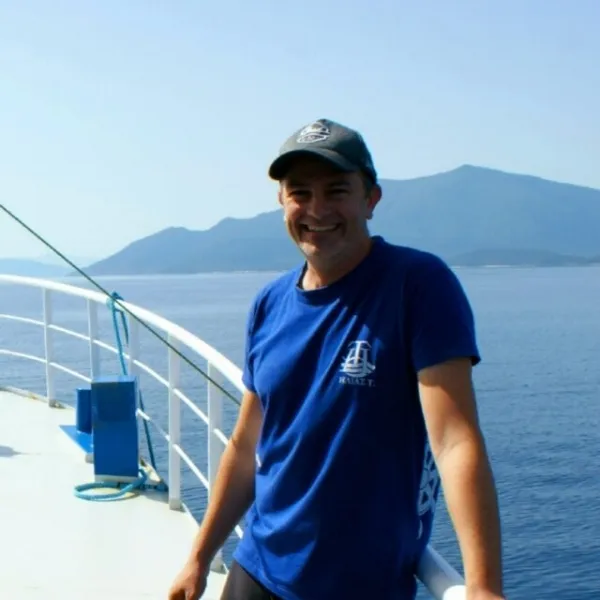
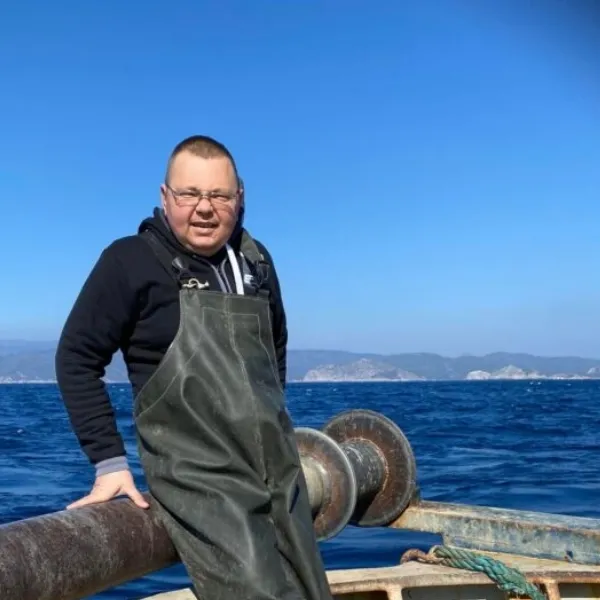
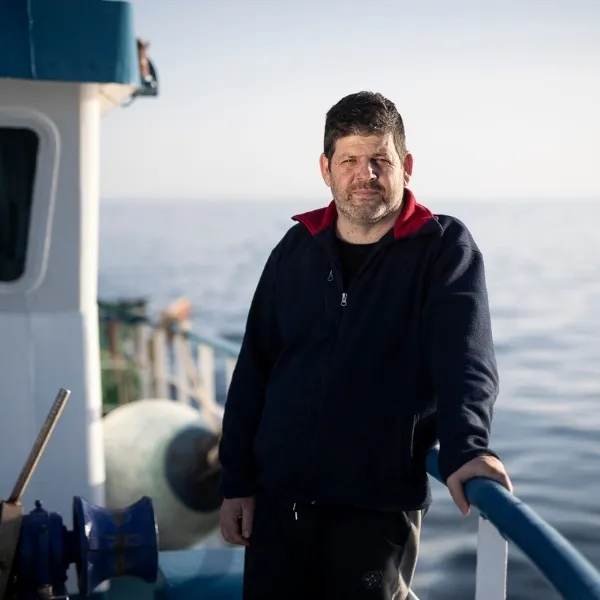
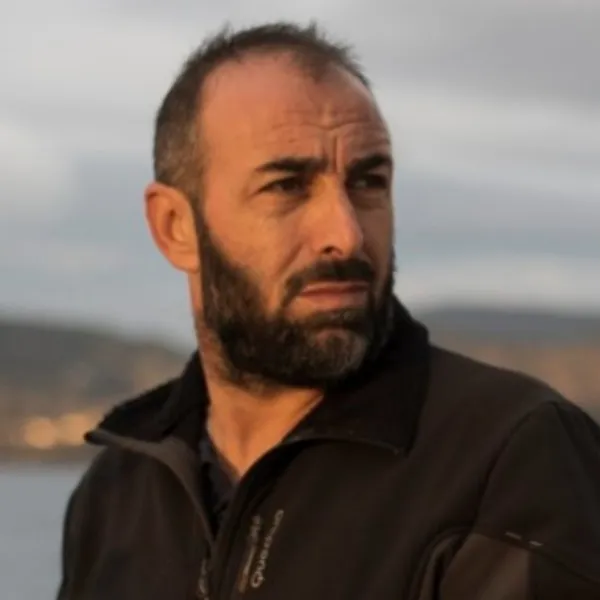
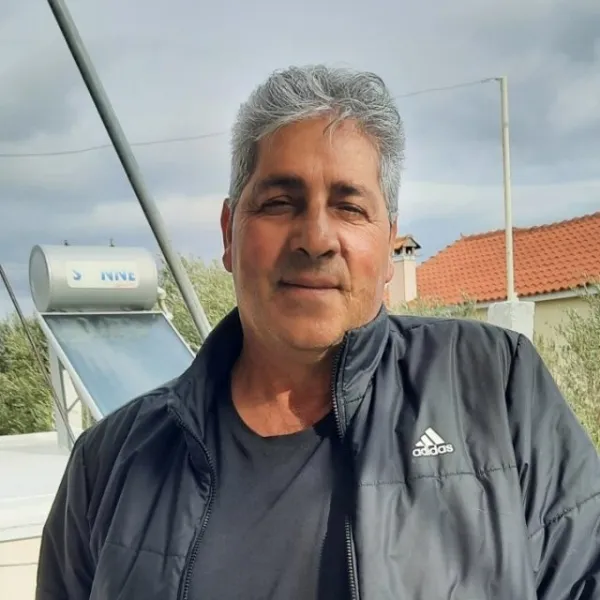
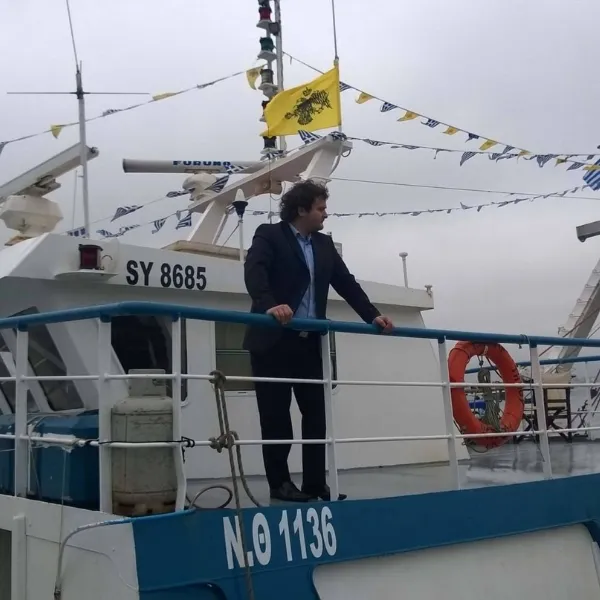
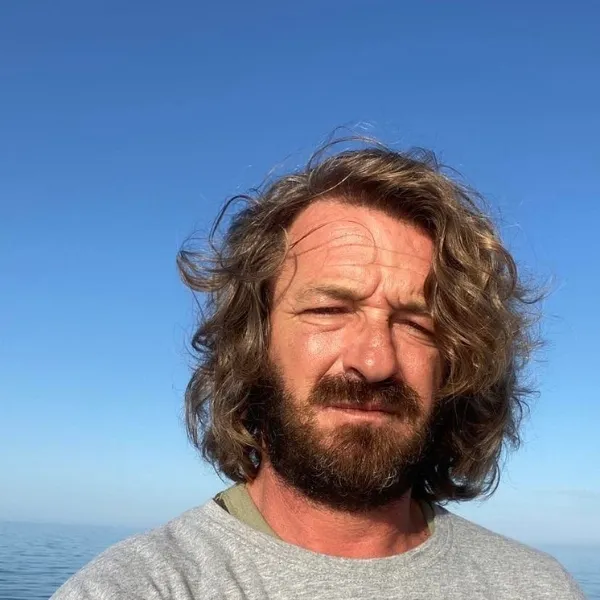
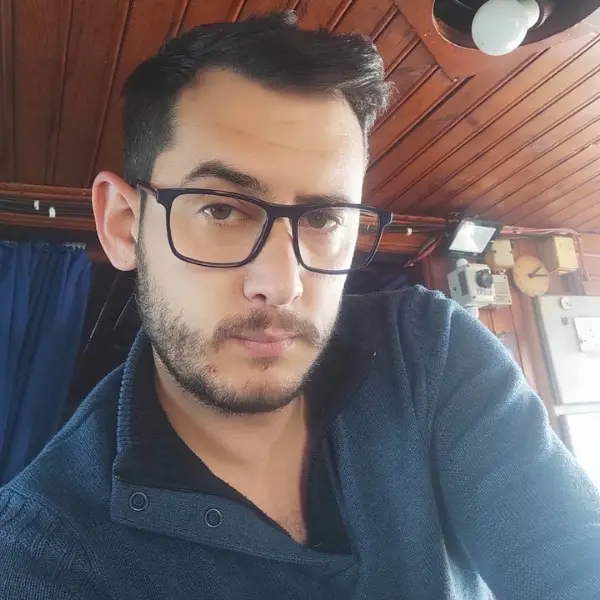
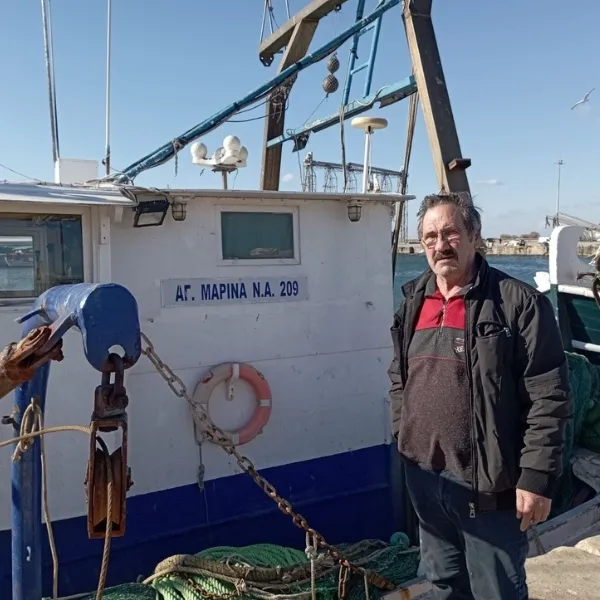
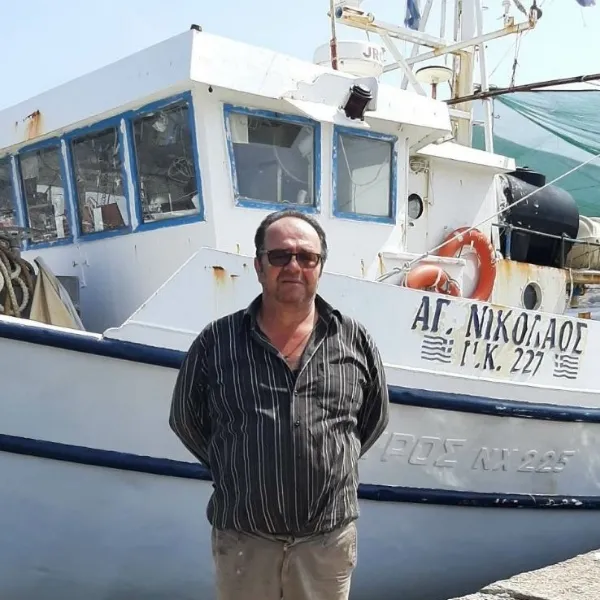
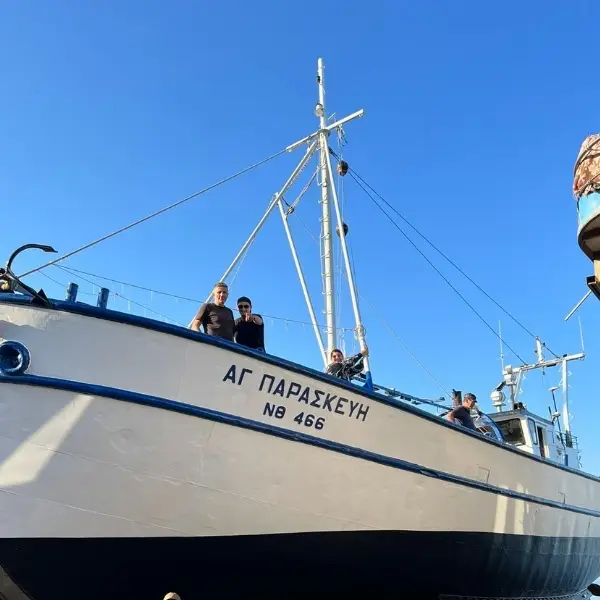
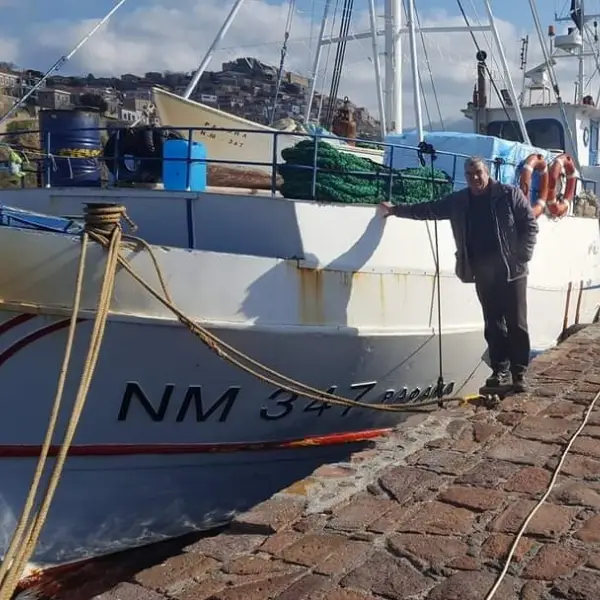
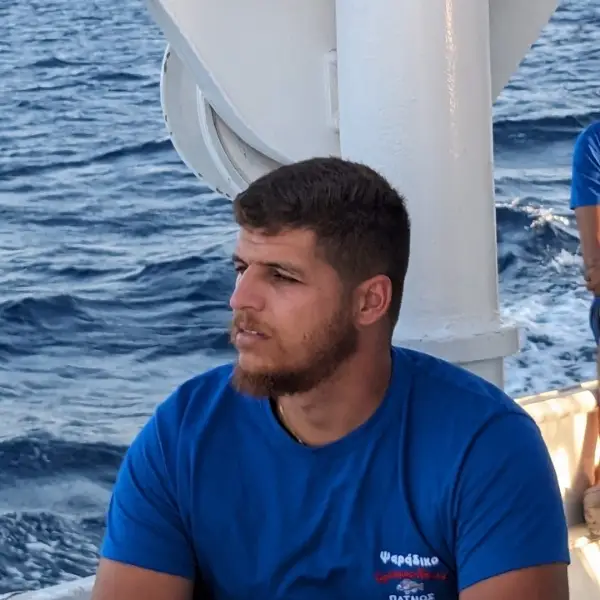
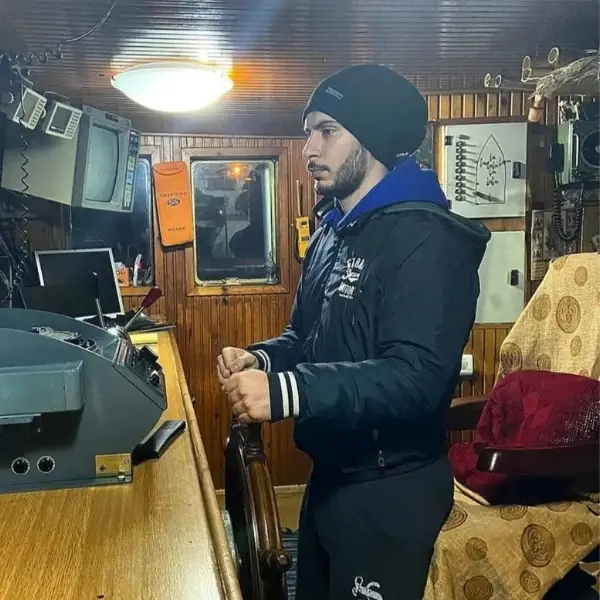
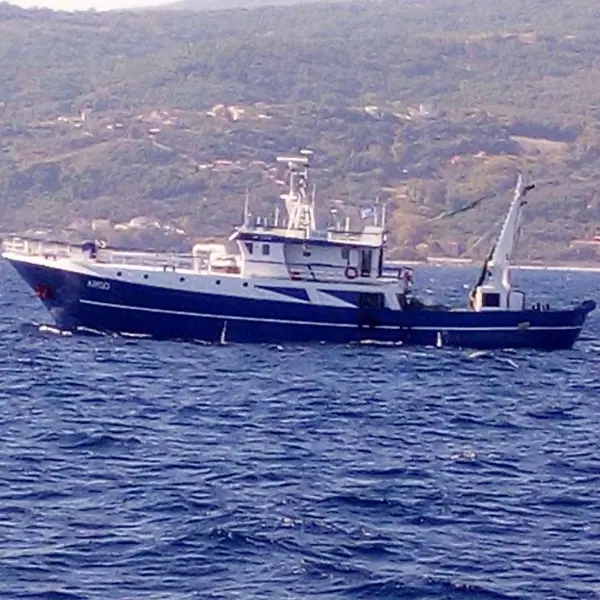
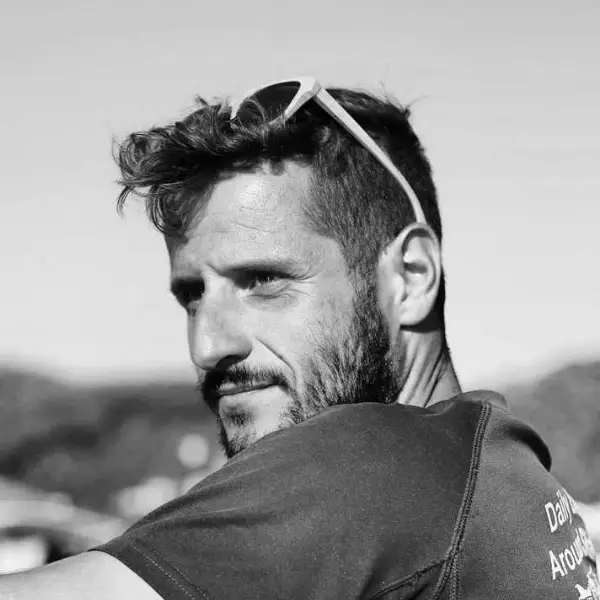
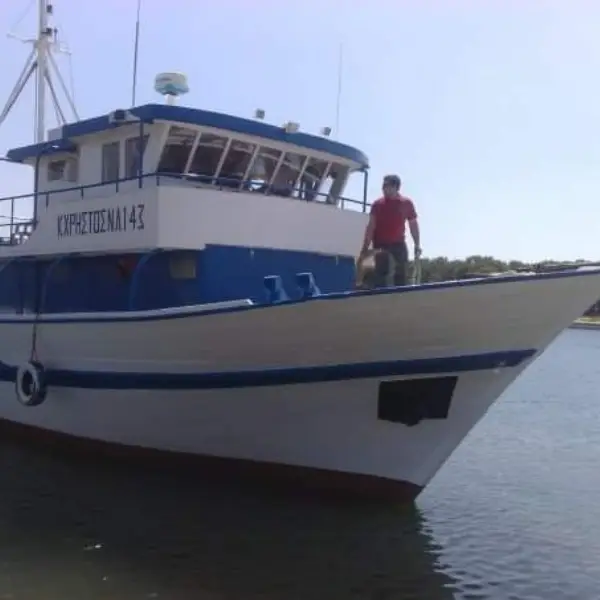
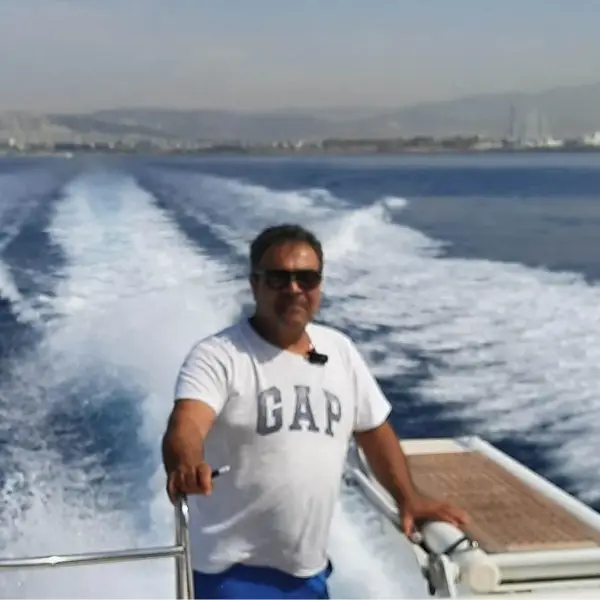
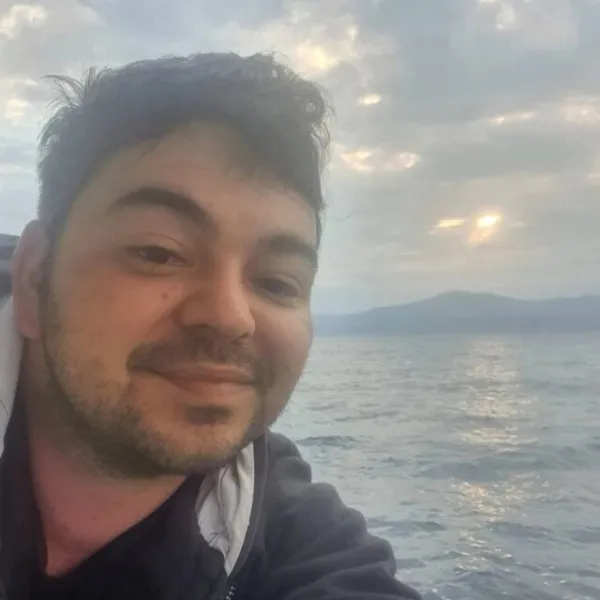
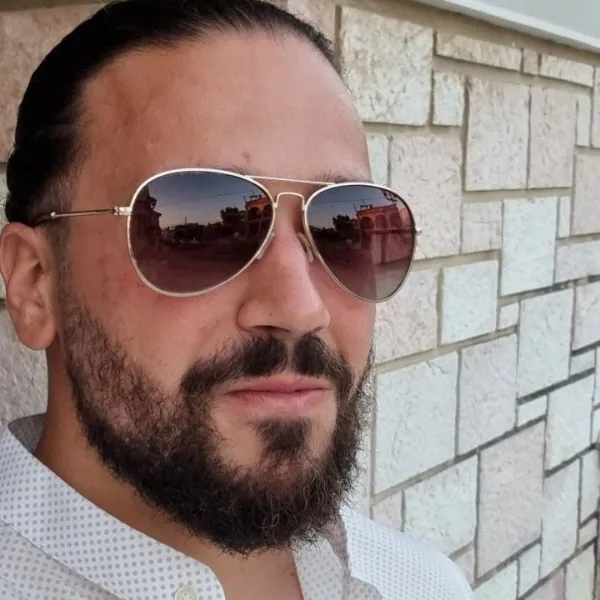
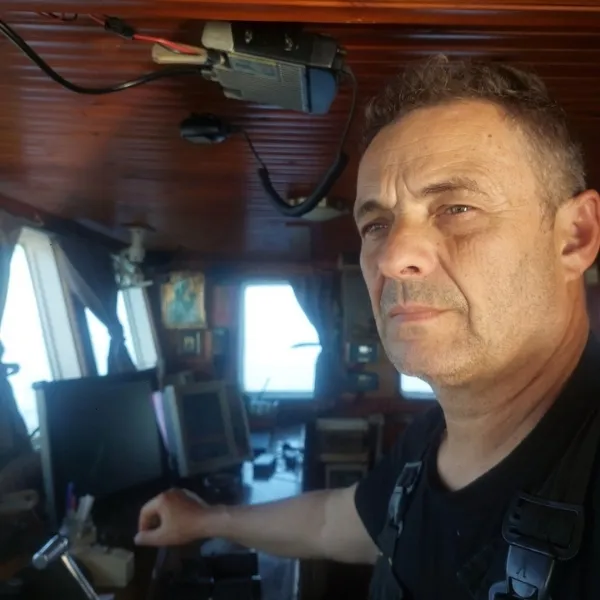
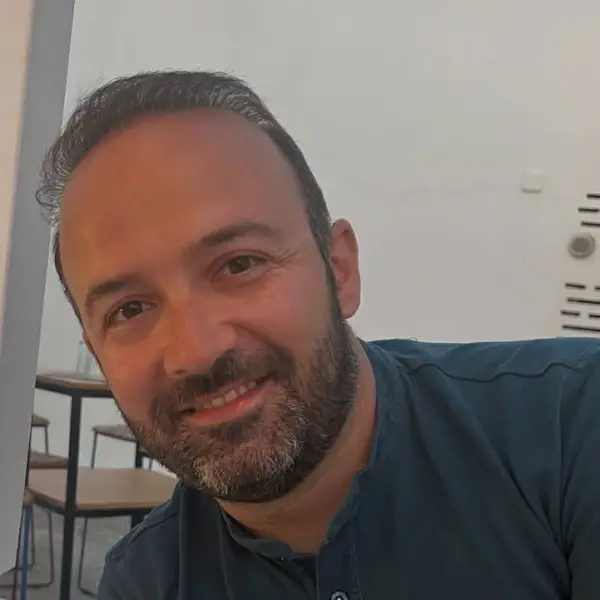
Mr. Dimitrios Konstantinos Koukouarakis, 36 years old, is the owner of three fishing vessels: Ichthys D.S., Agia Eirini Chrysovalantou, and Katerina Konstantia. All three vessels actively participate in the program “Fishing for Litter – Bringing Data”, operating in areas of Crete, the Southern Cyclades, and the Dodecanese, where they carry out their professional fishing activities.
He comes from a long-established seafaring family with a strong tradition in fishing. The family’s involvement in the profession spans three generations, while the use of trawlers began with his father, who built the family’s first vessel of this type. Today, Mr. Koukouarakis continues the family business with consistency and respect, working alongside his father and brother.
At the same time, for the past 19 years, he has also been active in international ocean-going shipping, serving as a Master Mariner (Captain Class A) in a Greek shipping company. His experience in both fishing and commercial shipping provides him with a comprehensive understanding of the challenges and needs of the marine environment, which he serves with professionalism and dedication.
Q: Years of fishing – how did your involvement with fishing begin?
D.K.: My involvement with fishing was not accidental; it was almost inevitable. I grew up within this way of life, alongside my father, who took me to sea from a very young age. Like him, my grandfather was also a fisherman. This is how the journey began, passed down from generation to generation, across the same seas, the same ports, and the same concerns and hopes.
Today, at 36 years old, together with my younger brother, we continue this family tradition as third-generation fishermen. Fishing entered our lives naturally — we didn’t simply choose it; in a way, it chose us. I hope there will be continuity, that we will be able to continue making a living from this profession, and if God blesses us with children, that they will have the opportunity, should they wish, to experience this way of life. Because for us, fishing is not just a profession — it is a legacy.
Q: Can you describe a day at sea?
D.K.: Working at sea, especially on a trawler, is one of the most demanding and difficult ways to make a living. It is not simply a job, but a way of life that requires dedication, patience, and resilience. Our days begin at night, with long hours spent offshore, often under adverse weather conditions. Sleepless nights are routine, anxiety over the catch is constant, and uncertainty about daily income is always present.
Cold temperatures, mechanical failures, continuous technical demands, and operational risks make this profession extremely strenuous. Operating costs are overwhelming — fuel, maintenance, port fees, crew wages — while fish stocks have significantly declined, intensifying financial pressure. In this environment, there is no room for romanticism. If someone does not deeply love this work, if they are not emotionally connected to the sea, they simply cannot survive in this profession.
Those of us who continue to work with trawlers do so not only out of necessity, but mainly out of deep love and respect for this traditional yet increasingly difficult form of professional fishing. A trawler is not merely a professional tool; it is an extension of our very existence. Every trip to sea is a trial, but also a reminder of the freedom and dignity that this hard but honest profession offers.
Q: What differences do you observe in the amount of marine litter compared to the past?
D.K.: Marine litter has noticeably decreased compared to previous years, at least in the areas where we fish regularly. This gives us a small sense of hope that awareness regarding the marine environment is beginning to bear fruit. However, the problem has not been eliminated.
We still observe new waste appearing periodically, mainly originating from commercial and passenger vessels passing through the wider marine areas. This waste does not come from us, but from people who show no respect for the environment in which we work and live.
Moreover, during the summer months, the situation worsens. The large number of tourists and beachgoers, as well as local visitors, leave behind significant amounts of litter, much of which ends up in the sea carried by wind or waves. This reality deeply saddens us, because we witness firsthand how fragile the marine ecosystem is and how easily it can be harmed by indifference.
The sea is our home, our workplace, and our source of life. We owe it respect, and it is everyone’s responsibility to keep it clean — not only for us, but for future generations.
Q: What is the strangest piece of litter you have ever retrieved?
D.K.: We have pulled many strange objects out of the sea — and each one is a reminder of the damage human indifference can cause. Over the course of my career as a fisherman, I have retrieved items one would never imagine: from lost shipping containers and massive truck tires, to sails from yachts, barrels containing paint residues, and even entire boats.
These are not merely strange findings. Very often, they become entangled in our fishing gear, destroy our nets, ruin our catch, and cost us valuable time and money.
Q: What does the sea mean to you, and what does its protection mean?
D.K.: The sea is an inseparable part of my life. I grew up with it, I know it intimately, and I earn my living from it. It is my profession, my daily struggle, and the space where I have devoted my adult life. For me, protecting it is not just an ideal — it is an obligation.
I do everything within my power, both onboard my fishing vessels and ashore, as well as on the merchant ships where I work as a captain. A clean sea is a priority and a duty for me, not only because my livelihood depends on it, but because I believe we have a responsibility to pass on to future generations an environment that is as healthy and respected as possible.
Q: What message would you like to share with the public?
D.K.: The message I want to convey is clear: love, respect, and protect the sea. Fish are not simply part of our work — they are a critical link in the global food chain. For fish to reach our plates fresh and healthy, the environment in which they live must first be clean and balanced.
Protecting the sea is not only the responsibility of those who work on it, but of all of us. Every family has a role to play. It is important that love for fish and awareness of the sea’s importance are cultivated at home. Children should learn from an early age not only how to eat properly, but also how to respect the natural environment that provides this food.
No effort goes to waste. With small daily actions, each of us can contribute. And when many people do a little, the result is truly significant.
The iSea “Fishing For Litter” program has been implemented for the eighth consecutive year in various regions of Greece, in collaboration with the A. C. Laskaridis Charitable Foundation. The faces of this program — the professional fishermen who actively support the collection and recording of marine litter from the country’s seabed — speak about the nature of their profession and share their experiences and thoughts on the initiative.
Through this publication, we would like to thank all the fishermen who collaborate in the effective implementation of the “Fishing For Litter” program and give a human face to this collective effort.